Commodity markets continue to be driven by geopolitical developments as renewed conflict in the Middle East once again heightened concerns over global energy supplies while influencing pricing across precious and industrial metals.
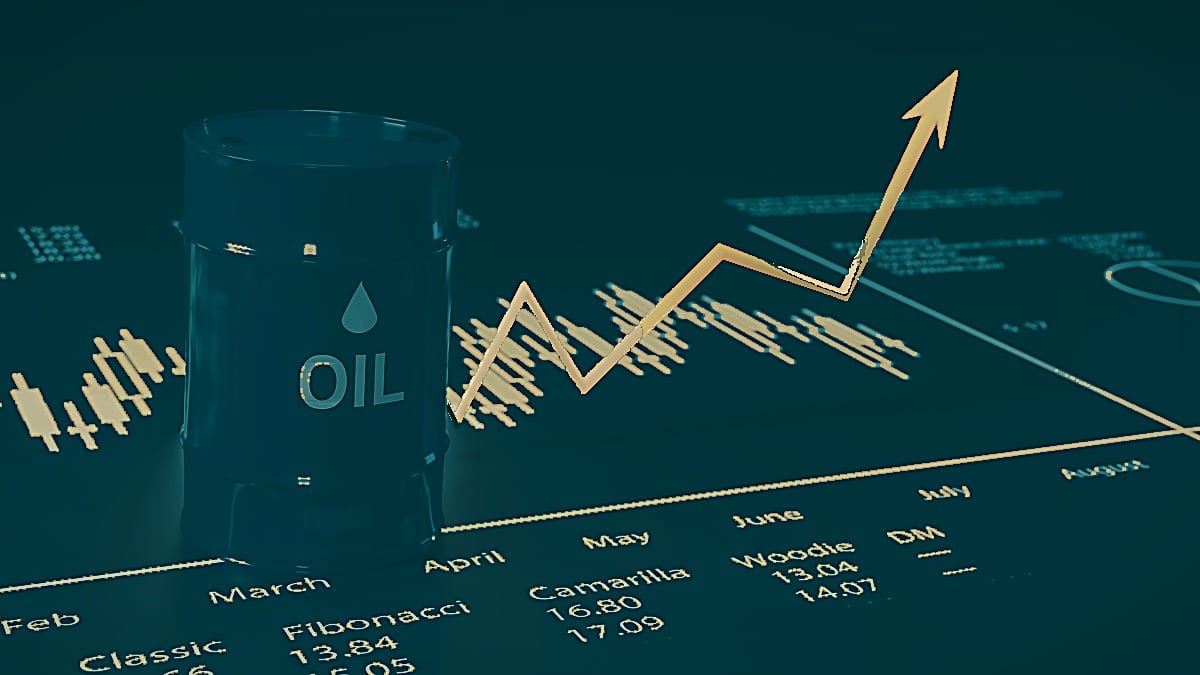
Oil prices moved sharply higher after renewed attacks on US military bases in the region reignited fears surrounding the security of supply through the Strait of Hormuz. Brent and WTI crude both advanced as markets responded to the possibility of additional disruptions to one of the world's most critical energy transportation routes. Supply concerns were further amplified by proposed sanctions targeting Russia and Iran, while the continued tightening of global supply buffers has increased the potential for further price volatility should tensions escalate.
Natural gas presented a more mixed picture. US prices softened modestly despite the geopolitical backdrop, whereas European gas markets rebounded strongly following renewed concerns over regional energy security.
Gold traded within a relatively narrow range as investors weighed competing forces. While geopolitical uncertainty continued to support demand for safe-haven assets, expectations surrounding the Federal Reserve's policy decision and the possibility of additional interest rate increases limited further gains. Gold has continued to underperform its traditional defensive role this year as exchange-traded funds recorded sustained outflows. At the same time, physical demand remains supported by strong imports into Hong Kong ahead of the launch of the city's new gold clearing system.
Silver outperformed gold during the session, although changing import regulations in India have disrupted supply flows and contributed to higher domestic premiums.
Industrial metals remained relatively stable. Copper prices balanced concerns surrounding higher inflation and slower global growth against tightening supply conditions. Production challenges among several major global mining companies continued to support longer-term supply concerns, while investment in future copper production remains closely linked to growing demand from data centers, electrification, and artificial intelligence infrastructure.
Iron ore traded broadly unchanged despite new quality-control measures introduced in India that may influence both domestic production and export volumes.
Overall, commodity markets continue to reflect the interaction between geopolitical risk, global supply constraints, central bank expectations, and long-term structural demand across energy, precious metals, and industrial commodities.