Commodity markets continue to present a mixed picture as investors weigh disciplined energy supply, evolving global demand, and long-term structural trends across precious and industrial metals.
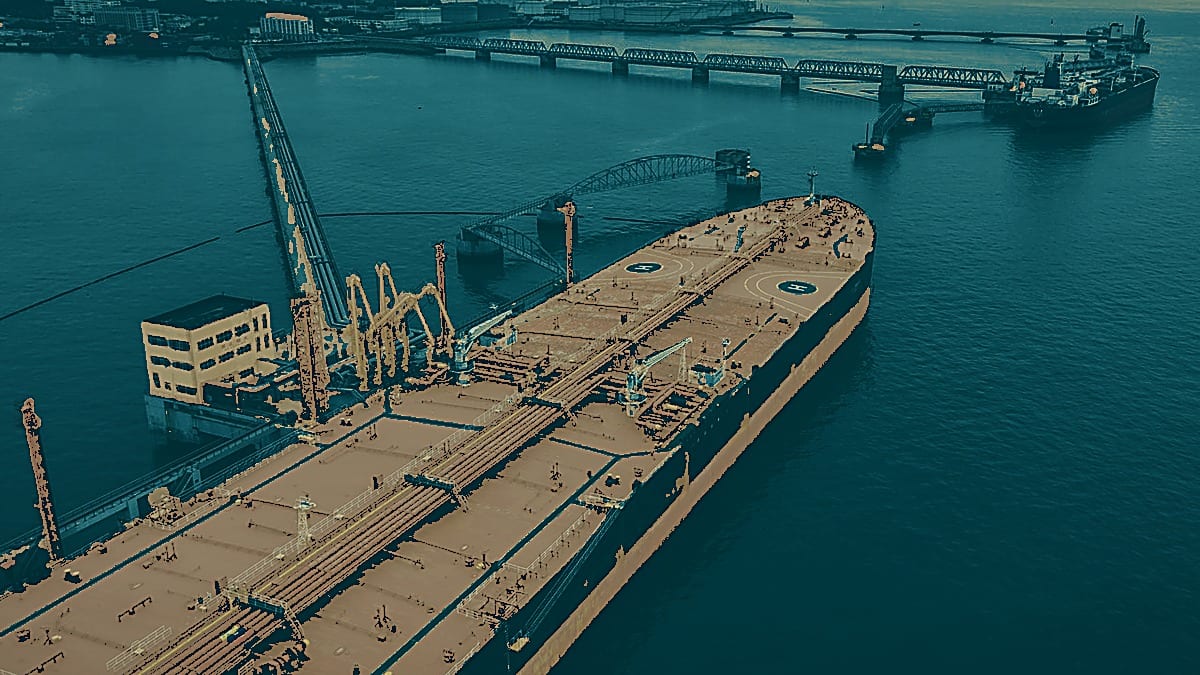
Oil prices remain within a relatively stable trading range, with both Brent and WTI crude reflecting a market that continues to balance OPEC+ production discipline against softer global demand, particularly from China. While supply management has helped support prices, weaker industrial activity and slower economic growth continue to limit upside momentum.
Natural gas prices also remain relatively subdued, supported by comfortable storage levels and moderate near-term demand expectations.
Precious metals continue to be the strongest-performing segment within the commodity complex. Gold remains at historically elevated levels, supported by sustained central bank purchases, geopolitical uncertainty, and continued investor demand for real assets in a higher interest rate environment. Silver has benefited from both its role as a precious metal and its industrial applications, while platinum continues to trade at a significant discount to gold, reflecting its stronger link to industrial demand.
Industrial metals remain supported by long-term structural trends. Copper continues to trade at elevated levels as demand linked to electrification, renewable energy infrastructure, and electric vehicles offsets weaker near-term industrial activity. Aluminum has traded more moderately as higher production costs are balanced against softer manufacturing demand in Europe and China. Iron ore remains toward the lower end of its recent range as weakness in China's property sector continues to weigh on steel demand.
Overall, commodity markets continue to reflect cautious global economic conditions. Precious metals remain supported by macroeconomic uncertainty, industrial metals continue to benefit from long-term structural demand, while energy markets remain balanced between disciplined supply and softer consumption trends.