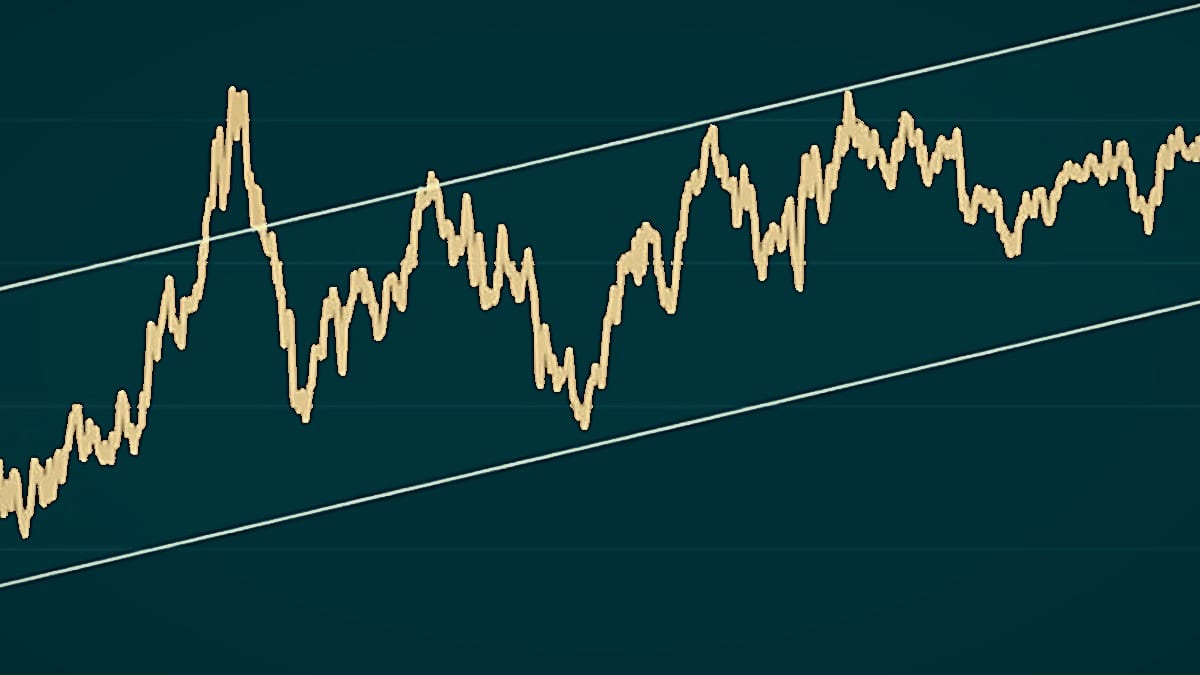
Global equity markets continue to show significant divergence in 2026, with technology and energy driving US performance, UK equities outperforming continental Europe, China remaining under pressure, and Japan maintaining its position as the strongest-performing major market.
US equities are broadly flat in the latest session. The S&P 500 stands at 7,807.24, up 14.83% year-to-date, while the Nasdaq Composite has gained 17.79% to 27,245.90. The Dow Jones Industrial Average trails with an 8.47% year-to-date gain at 51,850.55.
Technology remains the standout US sector, with an average constituent return of 59.45% year-to-date. Energy follows with a 45.48% gain, while Health Care is up 22.51% and Industrials 9.80%. At the other end of the market, Communications has declined 8.83% and Consumer Discretionary 8.33%, while Financials and Utilities are broadly flat.
This sharp separation between technology and energy leadership and weakness in consumer and communications stocks remains a defining feature of the US equity market in 2026.
European equities are posting modest gains. The Euro Stoxx 50 stands at 6,215.92, up 9.01% year-to-date, compared with a 3.52% gain for Germany's DAX. France's CAC 40 is down 1.17%, making it the only major European benchmark covered that remains negative for the year.
The difference between the broader Euro Stoxx 50 and the French market continues to reflect political and fiscal pressures weighing on French large-cap companies. European equities have also significantly underperformed their US counterparts, with currency dynamics and the ECB's rate trajectory remaining important variables.
UK equities continue to outperform continental Europe. The FTSE 100 is up 10.70% year-to-date, while the FTSE 250 has gained 11.73%.
The FTSE 100 has benefited from its significant commodity and financial exposure, while the stronger performance of the more domestically focused FTSE 250 points to improving sentiment toward the UK economy and expectations surrounding future Bank of England policy.
Chinese equities remain the weakest major market covered. The CSI 300 is down 7.62% year-to-date, the Shanghai Composite has declined 3.79%, and Hong Kong's Hang Seng is down 4.96%.
China's continued underperformance reflects the combination of prolonged property-sector deleveraging, deflationary pressure, weak consumer confidence, and geopolitical tensions affecting foreign capital flows. Stimulus measures have provided periods of support but have yet to produce a sustained re-rating.
Japan remains the standout global equity market. The Nikkei 225 has gained 32.71% year-to-date, while the broader TOPIX is up 20.70%.
Japanese equities continue to benefit from corporate governance reforms, improved shareholder returns, foreign investor inflows, and a weaker Yen supporting exporters. The Bank of Japan's gradual normalization of monetary policy has so far not disrupted equity momentum, leaving a particularly sharp contrast between Japanese and Chinese market performance.